
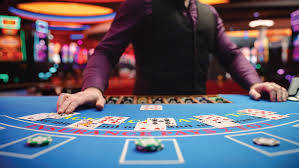
Blackjack is often viewed through the lens of mathematics—probabilities, expected value, and statistical precision. Yet beneath that rational surface lies a deeper, more elusive layer: the psychology of play. The world’s most successful blackjack professionals don’t just count cards or track decks—they manipulate perceptions, maintain mental discipline, and use subtle psychological strategies to gain a competitive edge. In high-stakes blackjack, victory isn’t just about the cards you’re dealt; it’s about mastering the mental game.
The Human Element: Why Psychology Matters in Blackjack
Blackjack, unlike many casino games, pits players directly against a dealer. Every action—whether a pause before a hit or a slight change in posture—can convey information. The psychological battlefield emerges not from the cards themselves but from how people interpret them. Professionals recognize that perception can influence behavior, and they use this to subtly shape how opponents, dealers, and even the pit bosses perceive their skill level and confidence.
A calm, unbothered presence suggests a recreational gambler, which may cause casinos to lower their guard. Conversely, appearing too precise or mechanical can trigger suspicion from surveillance teams. Thus, players must balance confidence with concealment, projecting the perfect blend of casual engagement and strategic calculation.
Emotional Neutrality: The Weapon of the Elite
Elite blackjack players share one trait above all: emotional neutrality. Emotional swings—anger after a bad beat or excitement after a big win—are deadly signals. Casinos are designed to provoke emotion, using sound, lighting, and pacing to keep players reactive. The professional’s goal is to remain untouched by this environment.
By mastering emotional neutrality, a player can sustain long-term consistency, regardless of short-term outcomes. This skill also prevents tilt—a psychological state where frustration clouds judgment, leading to impulsive bets and poor decisions. In professional play, psychological stability is as important as mathematical skill.
The Art of Perception Control
Perception control, or “table image management,” is a psychological tactic used by seasoned blackjack players to influence how others see them. This involves deliberately creating a persona that misdirects attention.
For instance, a player might intentionally appear as a casual gambler, chatting with the dealer, tipping generously, and making small talk. This social camouflage diverts suspicion from their actual strategic play, especially if they’re using techniques like card counting or shuffle tracking. Others adopt the opposite strategy—appearing as eccentric or impulsive to mask calculated behavior.
The goal is simple: never let the casino know what kind of player you truly are. The best players control the narrative of who they seem to be at the table, ensuring that their edge remains invisible.
Reading Dealers and Opponents
While blackjack is primarily a player-versus-dealer game, reading people remains crucial. Dealers, like players, exhibit subtle patterns—speed changes, slight hesitations, or tone variations when dealing certain cards. Observing these cues allows experienced players to anticipate card flow or detect nervousness that might indicate a shift in the deck.
In some blackjack variants or tournament settings, reading opponents is also useful. Understanding when others are tilting or chasing losses can inform betting timing and psychological pressure. A calm, unreadable presence can make others uncomfortable, pushing them into mistakes or emotional play.
Advanced players practice non-verbal analysis, paying close attention to micro-expressions, hand movement, and breathing rhythm. Every small detail can reveal valuable insight into the mental state of others at the table.
Psychological Pressure as a Tactical Tool
Manipulating tempo and energy at the table is another advanced form of psychological warfare. Professional blackjack players sometimes control the pace of play to influence opponents and even dealers. Slowing down the game after a dealer win streak can disrupt momentum, while speeding up during a favorable deck cycle maintains rhythm and confidence.
Some players also use controlled conversation or silence to establish dominance. Talking too much can distract attention from your play style, while calculated silence can unsettle others. The key is intentional influence—every word, gesture, or pause is part of a deliberate strategy.
The Double-Edged Sword of Confidence
Confidence in blackjack is both an asset and a liability. Too little, and your uncertainty invites mistakes. Too much, and you attract unwanted attention. Professionals walk a razor’s edge, displaying just enough self-assuredness to appear natural without tipping off casino surveillance teams.
In casino psychology, “the confident gambler” archetype is seen as impulsive—someone the house expects to beat in the long run. Skilled players can exploit this stereotype by acting overly confident at strategic times. When done right, this behavior conceals advanced strategies under a façade of recklessness, allowing them to operate under the radar.
The Subconscious Battle: Cognitive Fatigue and Mental Endurance
A less-discussed aspect of advanced blackjack is mental stamina. Long hours at the table drain focus and heighten cognitive fatigue. Under fatigue, even the best-trained mind begins to slip—counting errors, missed cues, and inconsistent betting patterns can all appear. Professionals train to combat this decline through mental conditioning techniques such as mindfulness, micro-breaks, and rhythmic breathing.
By managing their mental energy, they ensure that the final hand of the night receives the same sharp attention as the first. This endurance separates seasoned professionals from semi-skilled counters or recreational strategists.
The Casino’s Psychological Countermeasures
Casinos are not passive participants in this battle. They deploy psychological countermeasures to neutralize players’ mental edges. From dealer behavior scripts to environmental design, every element is crafted to influence mood and decision-making. Bright lights, rhythmic sounds, and constant activity are all meant to keep players engaged, impulsive, and emotionally charged.
Surveillance staff also receive psychological training to detect “unnatural” player behaviors such as emotion suppression, rigid betting patterns, or lack of reaction. This cat-and-mouse dynamic creates a constant psychological arms race between casinos and professional players.
Building Psychological Resilience
To thrive in this environment, advanced blackjack professionals develop resilience through mental conditioning and self-awareness. They review sessions not only for mathematical errors but also for psychological slip-ups—moments of distraction, frustration, or visible tension. Some even practice controlled emotional exposure, placing themselves in stressful conditions to build composure.
The goal is to make calmness habitual and unconscious. When your emotional control becomes second nature, you gain the ultimate advantage—unshakable psychological stability under pressure.
FAQs: Psychological Strategy in Advanced Blackjack
1. Is psychological strategy really more important than card counting?
Both are vital, but psychology determines whether you can apply mathematical techniques effectively. Without emotional control, even perfect counting collapses under stress.
2. How do professionals hide their counting or tracking methods from casinos?
They use perception management, acting casual, changing bet rhythms, and blending in with recreational players while maintaining mental precision.
3. Can reading dealers actually improve winning odds?
While not always reliable, experienced players can pick up on dealer habits, speed changes, or unconscious cues that offer small informational edges.
4. How do professionals handle long losing streaks mentally?
Through emotional detachment and strict discipline. They focus on long-term expected value rather than short-term results, ensuring decisions remain rational.
5. Are casinos aware of these psychological tactics?
Absolutely. Many casinos train staff to recognize behavioral patterns and deploy psychological distractions to keep professionals off balance.
6. How can a player develop emotional neutrality?
By practicing mindfulness, self-observation, and exposure to stress in controlled settings, players can train themselves to stay calm under pressure.
7. What’s the biggest psychological mistake advanced players make?
Overconfidence. Believing one’s strategy is foolproof often leads to riskier decisions and unnecessary attention from casino security.
Final Thought:
In professional blackjack, every glance, pause, and gesture carries meaning. The cards are only part of the equation—the true game unfolds in the mind. Those who master both mathematics and psychology achieve not only financial success but also a rare form of mental dominance in one of the most psychologically demanding games ever created.